 Save
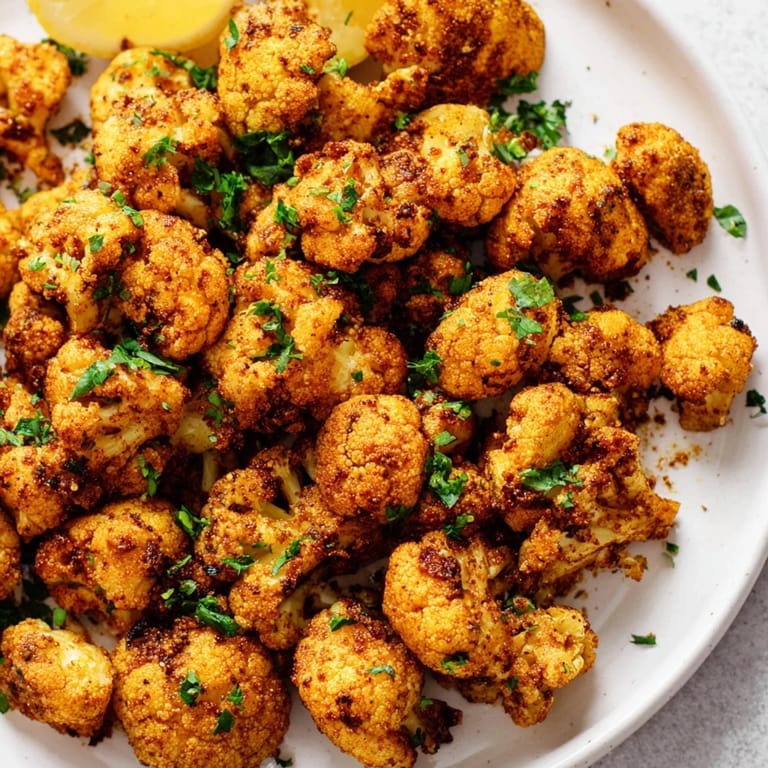
Save I discovered the magic of roasted cauliflower on a ordinary Tuesday when I was desperately searching for something green and interesting to serve with dinner. A friend had left a head of cauliflower on my counter the day before, and instead of letting it wilt in the crisper, I tossed it with whatever spices I had on hand and threw it in a hot oven. Twenty-five minutes later, the kitchen smelled incredible—nutty, smoky, and warm. What came out was nothing like the mushy steamed cauliflower I remembered from childhood. These florets were golden, crispy on the edges, and somehow sweet. I ate half of them standing at the counter before dinner was even ready.
Years later, I made this for a potluck where I was convinced everyone would ignore it in favor of the flashier dishes. Instead, people kept circling back, loading their plates with florets, asking what I'd done to make cauliflower actually interesting. That's when I realized this recipe works not because it's complicated, but because it respects the ingredient and lets the heat do its job. Simple becomes elegant when you stop overthinking it.
Ingredients
- Cauliflower florets: One large head broken into bite-sized pieces—not too small, or they'll char before crisping up, and not so large that the insides don't soften by the time the edges turn golden.
- Olive oil: Three tablespoons is enough to coat everything and create that magical caramelization without making things greasy.
- Smoked paprika: This is the secret that makes people pause and ask what they're eating; it adds depth and warmth that regular paprika can't quite reach.
- Ground cumin: A half teaspoon brings earthy undertones that make the cauliflower taste richer than you'd expect.
- Garlic powder: Not fresh garlic here—powder distributes evenly and won't burn in the hot oven.
- Salt and black pepper: Half a teaspoon of salt and a quarter teaspoon of pepper—adjust to your taste, but remember the spices bring their own seasoning too.
- Fresh parsley and lemon juice: Optional garnish that adds brightness and a little acidity to cut through the richness, though the dish is perfect without it.
Tired of Takeout? 🥡
Get 10 meals you can make faster than delivery arrives. Seriously.
One email. No spam. Unsubscribe anytime.
Instructions
- Heat your oven and prepare:
- Preheat to 220°C (425°F) and line a baking sheet with parchment paper—this prevents sticking and makes cleanup effortless.
- Coat the florets:
- In a large bowl, toss the cauliflower with olive oil and all the spices, making sure every piece gets a light coating. You want color and flavor everywhere, not just on top.
- Spread in a single layer:
- Arrange the florets on the baking sheet without crowding; they need breathing room to caramelize instead of steam.
- Roast and flip:
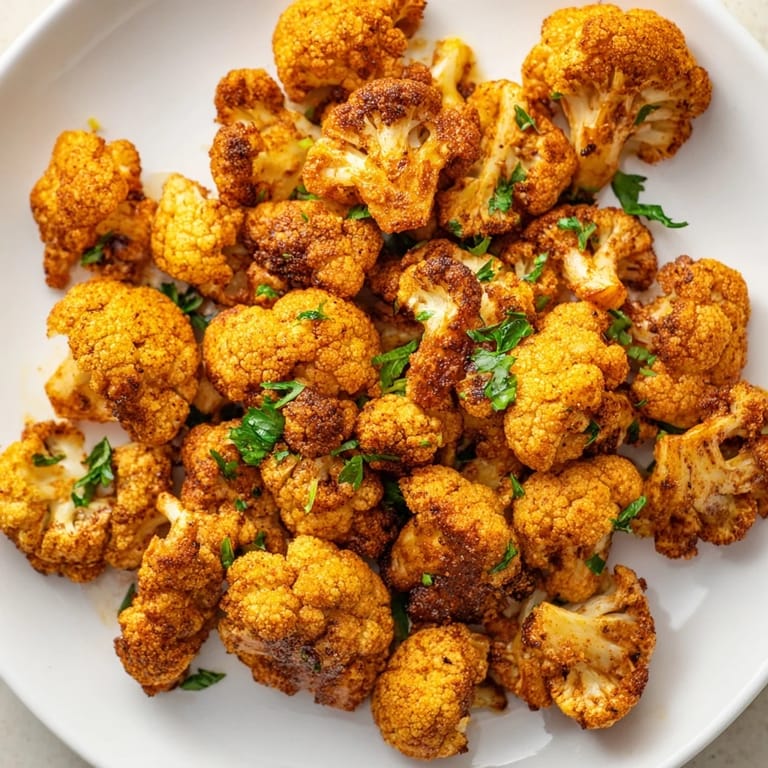
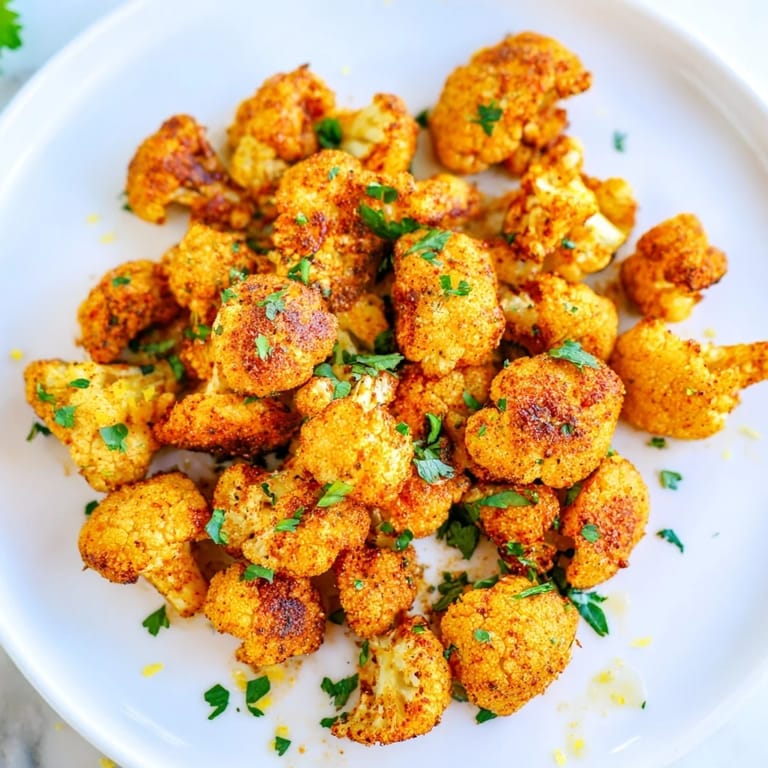
- Roast for about 25 minutes, flipping halfway through, until the edges are deep golden brown and a fork easily pierces the thickest florets. Some pieces will be darker than others—that's where the flavor lives.
- Finish and serve:
- Remove from the oven, add lemon juice and parsley if you like, and serve warm while the outsides are still crispy.
 Save
Save I remember serving this at a family dinner when my niece, who refused all vegetables, asked for seconds. Her mother looked shocked. The cauliflower wasn't fancy or disguised—it was just treated with respect and heat, and somehow that made all the difference.
Why Temperature Matters
The high heat is what makes this recipe work. At 220°C, the oven can caramelize the natural sugars in the cauliflower while the inside steams gently. Lower temperatures give you soft florets but no color, and all that flavor comes from the golden-brown crust you build in a hot oven. I learned this the hard way after trying to roast at a lower temperature thinking it would be safer—all I got was pale, bland vegetables.
Playing with Spice Blends
While this recipe is built on smoked paprika, cumin, and garlic, it's a foundation, not a rule. I've made it with curry powder and it becomes Indian-inspired, with zaatar and it tastes like the Middle East, with just salt and pepper and fresh herbs and it becomes almost Tuscan. Once you understand how this method works, you can pivot the spices toward any cuisine you're craving that night.
Serving and Storage Ideas
Roasted cauliflower is wonderful warm, but it's equally good at room temperature, which makes it perfect for meal prep or bringing to potlucks. I've tossed it into grain bowls, added it to salads the next day, even eaten it cold straight from the fridge as a snack. It keeps well in an airtight container for about four days, though it's never lasted that long in my house.
- For extra indulgence, toss with grated Parmesan cheese before roasting, though this removes the vegan status.
- A sprinkle of za'atar instead of the spice blend listed transforms this into something completely different.
- Leftovers are excellent mixed into pasta, grain bowls, or alongside roasted proteins.
 Save
Save This recipe proved to me that the best dishes don't need complexity to shine. Sometimes all something needs is respect, good heat, and a moment to transform into its best self.
Recipe FAQ
- → What spices are used to flavor the cauliflower?
Smoked paprika, ground cumin, garlic powder, salt, and black pepper infuse the cauliflower with warm, aromatic flavors.
- → How do you achieve the golden, caramelized texture?
Coating florets in olive oil and roasting at 220°C (425°F) allows natural sugars to caramelize, resulting in a crispy exterior and tender inside.
- → Can I add any garnishes after roasting?
Yes, a squeeze of fresh lemon juice and a sprinkle of chopped parsley enhance freshness and balance the roasted flavors.
- → Is this suitable for special diets?
This dish is vegan, gluten-free, and low carb, making it a versatile choice for many dietary preferences.
- → Are there variations for additional flavor?
Try adding grated Parmesan before roasting for richness (not vegan) or experiment with curry powder or zaatar for different spice profiles.