 Save
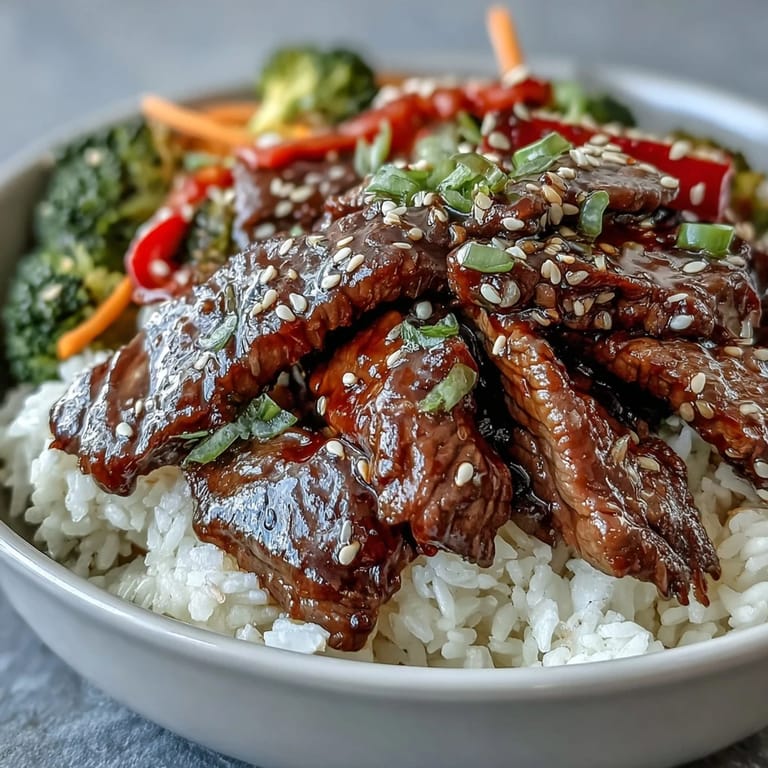
Save There's something about the sizzle of beef hitting a hot wok that makes you feel like you're cooking something special, even on an ordinary Tuesday night. My first teriyaki bowl came together almost by accident—I had leftover steak, some soy sauce in the pantry, and about twenty minutes before dinner needed to happen. What surprised me was how the sweet glaze transformed thin slices of beef into something that tasted restaurant-quality, the kind of dish that makes people ask for seconds without hesitation. Now it's become my go-to when I want to feel accomplished in the kitchen without spending hours there.
I made this for my partner one rainy evening when we were both too tired to go out, and watching their face light up when they took that first bite told me everything. The rice soaks up all that beautiful sauce, the vegetables add this bright crunch, and suddenly you're not eating leftovers—you're having something worth celebrating. That night, we ended up making it twice a week for a month straight, each time tweaking it slightly based on whatever vegetables were in the crisper drawer.
Ingredients
- Flank steak or sirloin, thinly sliced (500 g): The cornstarch coating catches the heat and creates that tender, slightly caramelized edge that makes this sing—slice against the grain if possible, and let the meat sit out for ten minutes so it cooks evenly.
- Soy sauce (80 ml): This is your umami backbone; don't skimp on quality here because it genuinely changes the depth of flavor.
- Mirin (60 ml): This sweet rice wine is what gives the sauce its glossy finish and gentle sweetness without tasting cloying.
- Honey or brown sugar (2 tbsp): Choose based on mood—honey gives you a silkier texture, brown sugar adds a subtle molasses depth.
- Rice vinegar (2 tbsp): The acid balances everything and keeps the sauce from feeling heavy, so don't leave it out.
- Fresh garlic and ginger (2 cloves and 1 tsp): Minced finely and added early, these build the aromatic foundation that makes people wonder what your secret is.
- Cornstarch slurry (1 tbsp mixed with 2 tbsp water): This thickens the sauce to that perfect clingy consistency, but add it slowly while whisking or you'll end up with lumps.
- Carrots, bell pepper, and broccoli: Cut them all to roughly the same size so they cook at the same pace—uniform cooking is the difference between crisp-tender and mushy.
- Spring onions and sesame seeds: These finish the bowl with fresh bite and visual pop, so save them for the very end.
- Cooked rice (2 cups): Use whatever rice you prefer; just make sure it's warm and fluffy when you serve.
Tired of Takeout? 🥡
Get 10 meals you can make faster than delivery arrives. Seriously.
One email. No spam. Unsubscribe anytime.
Instructions
- Build your sauce first:
- Combine soy sauce, mirin, honey, rice vinegar, garlic, and ginger in a saucepan and let it simmer gently—you're melting the flavors together here. Whisk in that cornstarch slurry slowly while the sauce bubbles, and watch it transform from liquid to something glossy and cling-worthy in just a few minutes.
- Prep the beef:
- Toss your thin-sliced beef with cornstarch until every piece is lightly coated; this creates a subtle texture that helps the sauce adhere. Don't skip this step even though it seems small—it's what gives you that restaurant finish.
- Sear the beef hot and fast:
- Heat your oil until it shimmers, then add beef in a single layer and don't touch it for the first minute—you want that caramelized crust. Stir-fry for just 2-3 minutes total; the meat continues cooking when you add it back later, so err on the side of slightly underdone.
- Vegetable stir-fry moment:
- In the same skillet (don't wash it, that fond is flavor gold), toss in your carrots, pepper, and broccoli and keep them moving over high heat. They should still have slight resistance when you bite them, not soft—this usually takes 3-4 minutes depending on your heat level.
- Bring everything together:
- Return the beef to the pan, pour that silky sauce over everything, and toss for about a minute so the heat reactivates the glaze and coats every surface. The whole thing should smell incredible at this point—that's your signal you're almost done.
- Compose your bowl:
- Spoon warm rice into bowls, top with the beef and vegetable mixture, then scatter spring onions and sesame seeds over the top. Serve immediately while everything is still hot and the rice is ready to absorb that sauce.
 Save
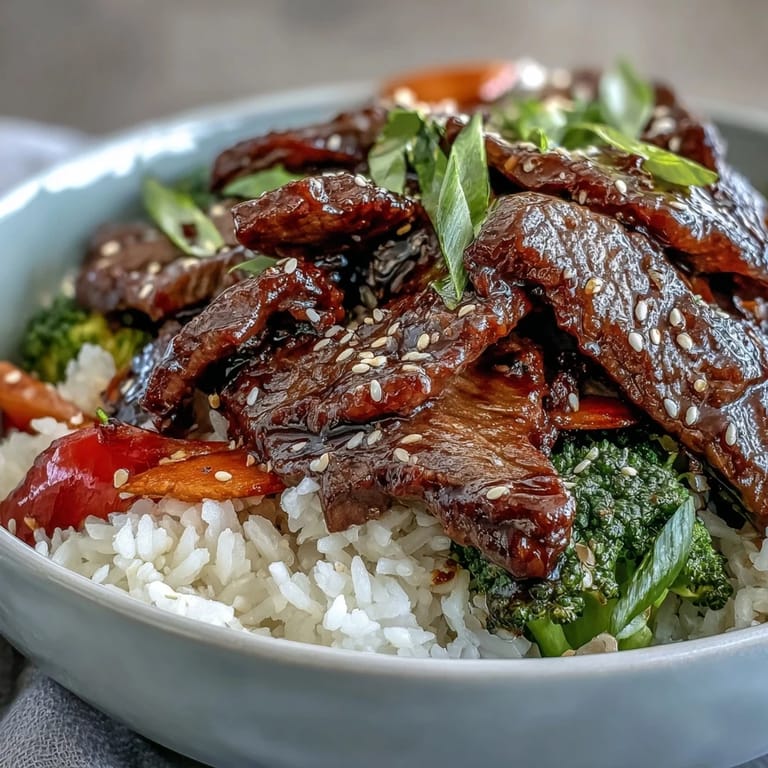
Save There was this moment when my roommate came home while I was making this, paused in the doorway, and just closed their eyes while smelling the air. They didn't say anything, just smiled—and that's when I realized food is as much about the experience of making it as eating it. The way that sauce coats the rice, the warmth rising from the bowl, the sound of the wok humming—it all became part of something bigger than just dinner.
The Secret to Perfect Glaze
The glaze is honestly the whole story here, and it only works if you respect the heat. Medium heat on the sauce—not rushing it, not letting it boil aggressively—gives you time to meld those flavors properly. I learned this by burning a batch once; the acrid taste taught me more than success ever could. Now I watch for lazy bubbles at the edges, which means you're at exactly the right temperature.
Variations That Actually Work
Swap the beef for chicken thighs if you want something juicier, or use firm tofu pressed and cubed for a vegetarian version that's equally satisfying. I've also thrown in mushrooms, snap peas, and even a handful of edamame without changing the formula—the sauce loves whatever vegetables you give it. The beauty of this bowl is how forgiving it is; you can adapt it to what's in your kitchen and it'll still taste like you meant it.
Timing and Temperature Notes
High heat is your friend for the beef searing but not for the sauce—this is the one time you want to slow down. The vegetables need that high heat too so they stay crisp rather than turning into mush, which happens faster than you'd think once they hit the hot pan. If you're feeding people who like their vegetables softer, just start them earlier and give them an extra minute.
- Keep rice warm in a separate pot so you're not juggling temperatures when it's time to serve.
- Prep all your vegetables before you start cooking because once you begin the actual stir-frying, everything moves quickly.
- Taste the sauce before serving and adjust with a splash of soy sauce if it needs more savory depth.
 Save
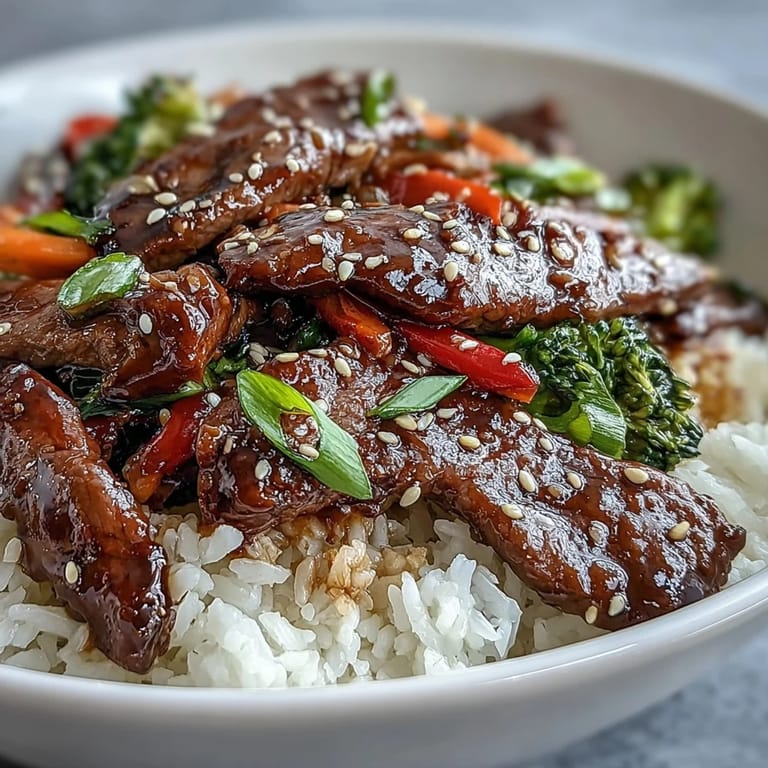
Save This bowl has become my answer to almost every dinner question—it's fast, it's honest, and it feels like you put in real effort even though you didn't. Make it once and it becomes part of your regular rotation, the kind of meal you return to again and again.
Recipe FAQ
- → What cut of beef works best for teriyaki bowls?
Flank steak or sirloin are ideal choices because they're lean yet tender when thinly sliced against the grain. The quick cooking method keeps the beef juicy while absorbing the flavorful glaze.
- → Can I make the teriyaki sauce ahead of time?
Absolutely! The homemade teriyaki sauce stores beautifully in the refrigerator for up to two weeks. Make a double batch and keep it on hand for quick weeknight meals.
- → How do I get the sauce thick and glossy?
The cornstarch slurry is key—whisk it into the simmering sauce and cook for 2-3 minutes until it coats the back of a spoon. This creates that restaurant-quality glaze that clings perfectly to the beef.
- → What vegetables pair well with teriyaki beef?
Beyond the classic carrot, bell pepper, and broccoli trio, try adding snap peas, edamame, shiitake mushrooms, or baby corn for extra crunch and nutrition.
- → Is this suitable for meal prep?
Yes! Portion the beef, vegetables, and sauce separately from the rice to maintain optimal textures. Reheat components gently and assemble when ready to serve for the best results.
- → How can I make this gluten-free?
Simply substitute regular soy sauce with tamari or a certified gluten-free soy sauce alternative. All other ingredients naturally fit gluten-free dietary requirements.