 Save
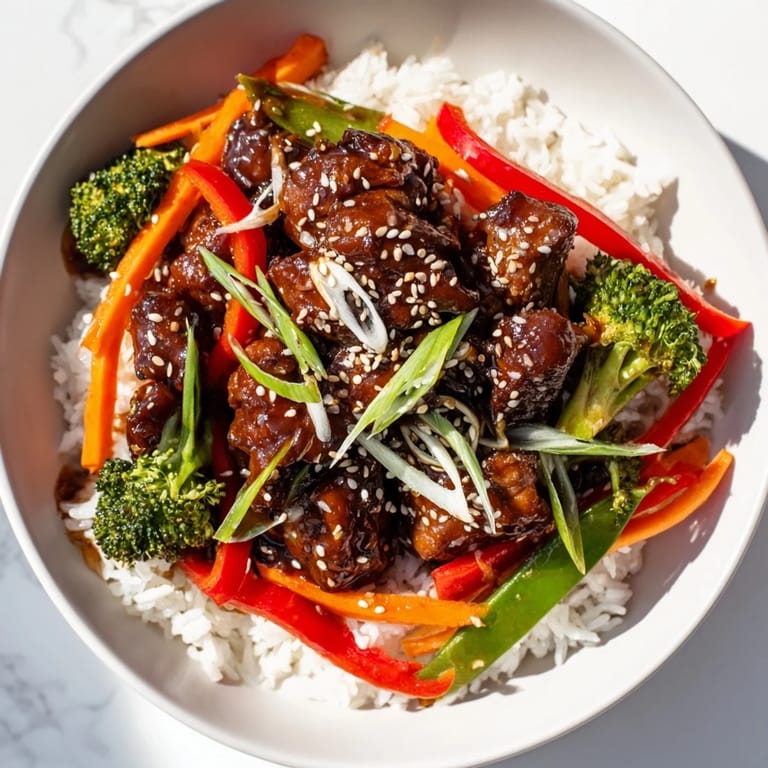
Save There's something about the smell of teriyaki hitting a hot skillet that makes you stop whatever you're doing and pay attention. I discovered this bowl during a particularly uninspired weeknight when I had chicken, rice, and a bottle of soy sauce that seemed to whisper possibilities. What started as an attempt to avoid takeout turned into a dish I found myself making every few days, tweaking the glaze, adjusting the vegetables, watching how the sauce clung to each piece of chicken like it was meant to be there.
I made this for my sister on a Tuesday night when she was stressed about work, and watching her expression shift from tired to genuinely happy as she took that first bite reminded me why cooking for people matters. She asked for the recipe immediately, and now it's become her go-to when she wants something that feels special but doesn't require a cooking degree.
Ingredients
- Chicken thighs or breasts (500 g, cut into bite-size pieces): Thighs stay juicier, but breasts work if that's what you have; the real secret is not crowding the pan so they can brown instead of steam.
- Vegetable oil (2 tbsp total): High heat cooking needs an oil that won't smoke, and this one gets out of the way so the chicken and sauce can be the stars.
- Salt and pepper (a pinch each): Season before the skillet, not after, so it actually seasons the chicken instead of sitting on top.
- Soy sauce (80 ml): This is where the umami lives; use good soy sauce if you can, it genuinely changes the depth of the glaze.
- Mirin (60 ml): The sweet component that's softer than sugar; if you can't find it, a mix of honey and a splash of rice vinegar works in a pinch.
- Honey or brown sugar (2 tbsp): Adds roundness to the sweetness so the sauce doesn't taste one-dimensional.
- Rice vinegar (1 tbsp): Cuts through the richness with just enough brightness to keep your palate interested.
- Garlic and ginger (2 cloves and 1 tsp): Fresh, never from a jar; you'll taste the difference the moment they hit the warm sauce.
- Cornstarch slurry (1 tsp cornstarch mixed with 2 tsp water): This is what gives the sauce its glossy cling; don't skip it or your bowl will have sad, runny sauce.
- Carrot, bell pepper, broccoli, and sugar snap peas: Choose vegetables that appeal to you; the point is color and texture, so swap freely based on what's in your crisper drawer.
- Cooked rice (600 g): The foundation that soaks up the sauce, so it deserves attention; fluff it with a fork so it's not a dense brick.
- Sesame seeds and spring onions (for garnish): These finish the bowl with texture and freshness, turning it from good to memorable.
Tired of Takeout? 🥡
Get 10 meals you can make faster than delivery arrives. Seriously.
One email. No spam. Unsubscribe anytime.
Instructions
- Get your foundation ready:
- Start your rice first if it isn't already cooking; this is the one thing that takes time. By the time your rice is done, everything else will be finished, so you're never waiting or reheating.
- Build the sauce while everything else cooks:
- Combine soy sauce, mirin, honey, rice vinegar, garlic, and ginger in a small saucepan over medium heat. Watch it come to a gentle simmer, then stir in the cornstarch slurry and cook for just a minute or two until it thickens enough to coat a spoon; the sauce should look glossy and slightly translucent, never cloudy or separated.
- Give the chicken its moment:
- Heat oil in your skillet over medium-high heat until it shimmers, then season chicken pieces with salt and pepper. Lay them in the pan and let them sit for a moment so they can brown instead of constantly moving them around; golden crust is what makes this sing, and that takes about five to six minutes total.
- Bring in the vegetables:
- Push the cooked chicken to the side, add fresh oil if the pan looks dry, then add your vegetables. Stir-fry them hard for three to four minutes until they're bright and tender but still have a little snap when you bite them; overcooked vegetables will make your bowl feel sad.
- Bring it all together:
- Return the chicken to the pan, pour the sauce over everything, and toss for just a minute or two until the sauce coats the chicken and vegetables and everything is heated through. You want the sauce to glisten, not puddle.
- Compose the bowl:
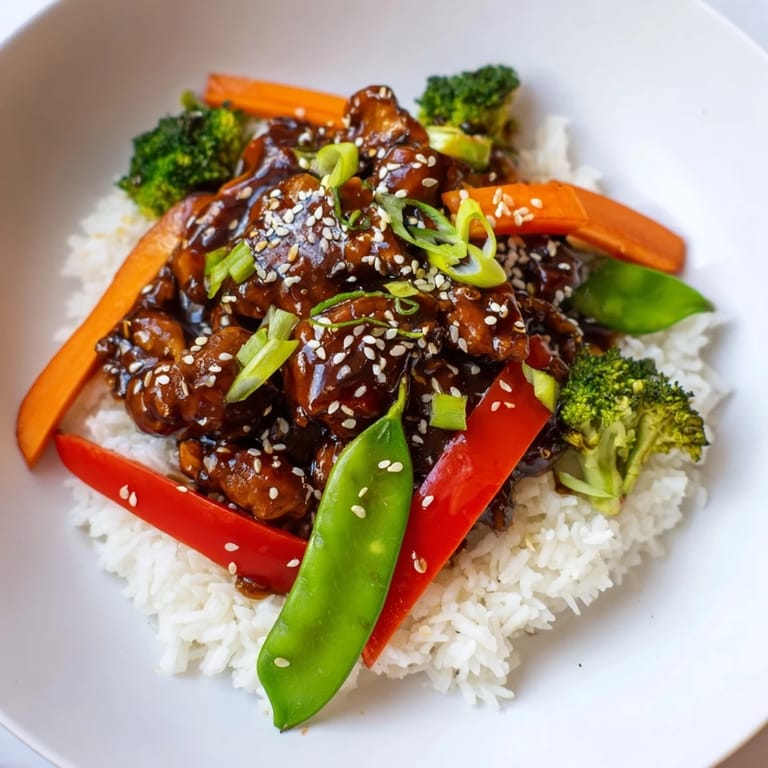
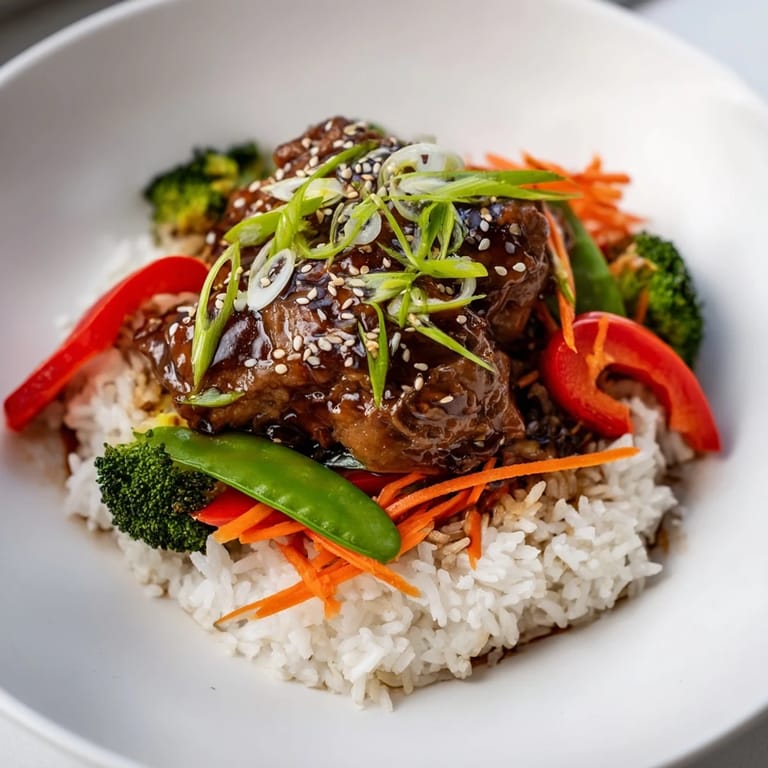
- Divide warm rice among bowls, top with the teriyaki chicken and vegetables, then finish with a scatter of sesame seeds and fresh spring onions. The toppings aren't decoration; they add texture and brightness that tie everything together.
 Save
Save The best moment is when someone you're feeding takes a bite, closes their eyes, and just sits with it for a second. That's when you know it's more than just dinner.
Why This Bowl Works
There's an economy to this dish that I love; it respects your time but never feels rushed. The vegetables stay vibrant instead of turning into mush because they join the party late. The chicken stays tender because you're not overcooking it or leaving it naked and dry. And the sauce, that beautiful glaze, ties everything into one complete thought instead of a pile of separate components on a plate.
Making It Your Own
I've made this with whatever was hiding in my vegetable drawer: zucchini, mushrooms, snap peas, even leafy greens tossed in at the last second. Each version tastes like itself but still feels intentional. If you want it vegetarian, skip the chicken and add pressed tofu or chickpeas; the sauce doesn't care what it glazes as long as you give it something to cling to. Some nights I use brown rice because I'm feeling that way, other nights it's white and I'm feeding someone who prefers it.
The Finishing Touches
Sesame seeds add a whisper of nuttiness that deepens the whole experience, and spring onions bring a sharp freshness that cuts through the richness of the sauce. Neither feels optional once you've tasted it both ways. Serve it with green tea if you want to feel like you're at a restaurant, or with cold water if you're just hungry.
- Toast the sesame seeds in a dry skillet for thirty seconds before sprinkling if you want them to announce themselves.
- Make the sauce up to a day ahead and reheat it gently; it only gets more flavorful as it sits.
- Leftover bowls are even better the next day when the flavors have had time to get to know each other.
 Save
Save This bowl has become my answer to the question of what to cook when I want something that tastes like care but doesn't require hours or a shopping list longer than my arm. It's the kind of dish that gets better each time you make it because you learn where to linger and where to hurry.
Recipe FAQ
- → How do I achieve the perfect teriyaki glaze?
Simmer soy sauce, mirin, honey, rice vinegar, garlic, and ginger together, then thicken gently with a cornstarch slurry until glossy and smooth.
- → What type of chicken works best?
Boneless, skinless chicken thighs or breasts cut into bite-sized pieces cook evenly and stay tender.
- → Can I substitute the vegetables?
Yes, zucchini, mushrooms, or other crisp vegetables work well as alternatives for stir-frying.
- → How should I cook the rice for this dish?
Use white or brown rice cooked according to package instructions. Keep it warm before serving.
- → What garnishes enhance the flavors?
Sprinkling sesame seeds and sliced spring onions adds nutty crunch and fresh brightness to the dish.
- → Can I make this dish vegetarian?
Replace chicken with firm tofu for a plant-based alternative while keeping all other components the same.