 Save
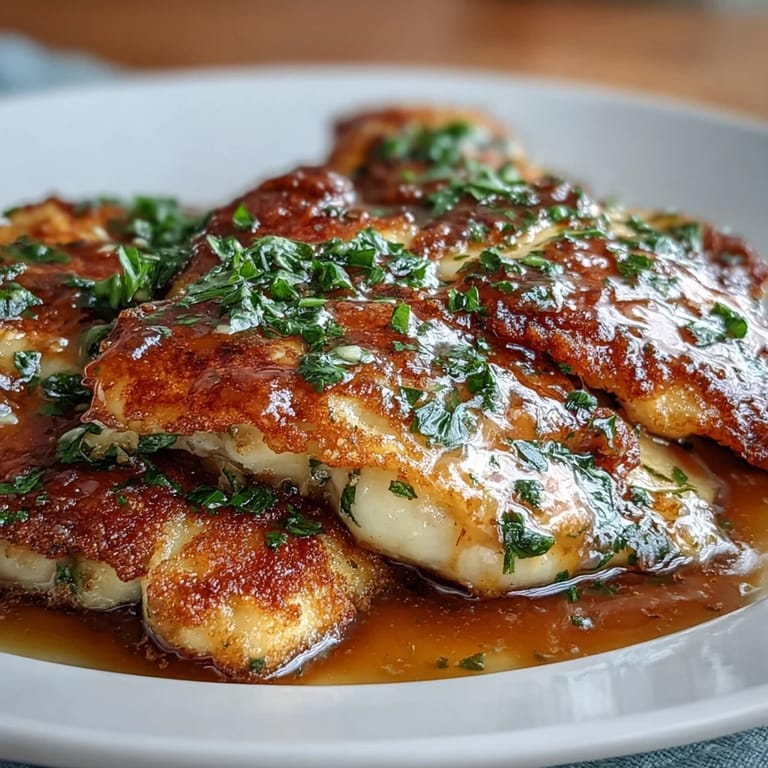
Save My first flounder meunière moment happened on a Tuesday night when I wanted to feel fancy without spending three hours in the kitchen. I'd watched a colleague plate something golden and delicate at lunch, drizzled with this nutty brown butter sauce, and couldn't stop thinking about it. That evening, I pulled out a single flounder fillet, some butter, and lemon—and realized how a few good ingredients and ten minutes of attention could transform an ordinary weeknight into something that tasted like Paris.
I served this to my sister during one of those post-work dinners where we were both running on coffee and conversation. She took one bite and went completely quiet—the good kind of quiet. She asked if I'd made it at a restaurant first, and when I told her it was just pan-fried fish with browned butter, she laughed. Sometimes the simplest things are the ones that stick with you.
Ingredients
- Flounder fillets (4, about 150 g each): Flounder is mild, tender, and cooks in minutes—the skin-off request matters because it prevents sticking and lets the flour get properly golden.
- Kosher salt and freshly ground black pepper: These aren't just seasonings; they're the only flavoring the fish needs before the brown butter takes over.
- All-purpose flour (1/2 cup): The light dredge creates a delicate crust that catches the heat without weighing down the fish.
- Unsalted butter (7 tablespoons total, divided): Use real butter here—it's the star of the show, so quality matters more than you'd think.
- Olive oil (2 tablespoons): Blended with butter, it keeps the heat stable and prevents the butter from burning too quickly.
- Lemon juice (about 2 tablespoons) and fresh parsley: These brighten the browned butter at the last second and keep the whole dish from feeling heavy.
Tired of Takeout? 🥡
Get 10 meals you can make faster than delivery arrives. Seriously.
One email. No spam. Unsubscribe anytime.
Instructions
- Get the fish ready:
- Pat your flounder fillets completely dry with paper towels—this step isn't just a suggestion, it's what gives you that golden crust instead of steam. Season both sides generously with salt and pepper and let them sit for a minute while you prepare everything else.
- Flour lightly and shake:
- Spread flour on a shallow plate and dredge each fillet quickly, using just enough to coat thinly. Shake off any excess flour over the plate—too much creates a pasty layer instead of a delicate crust.
- Heat your pan properly:
- Combine 2 tablespoons butter and the olive oil in a large nonstick skillet over medium-high heat. You want the pan hot enough that the butter froths immediately when you add the fish, but not so hot that it smokes.
- Cook the fillets:
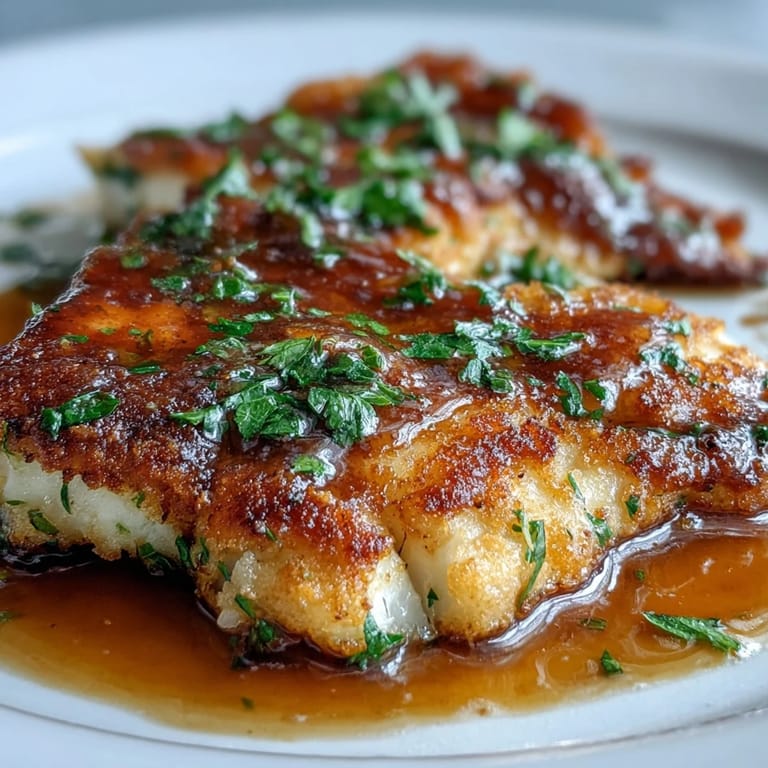
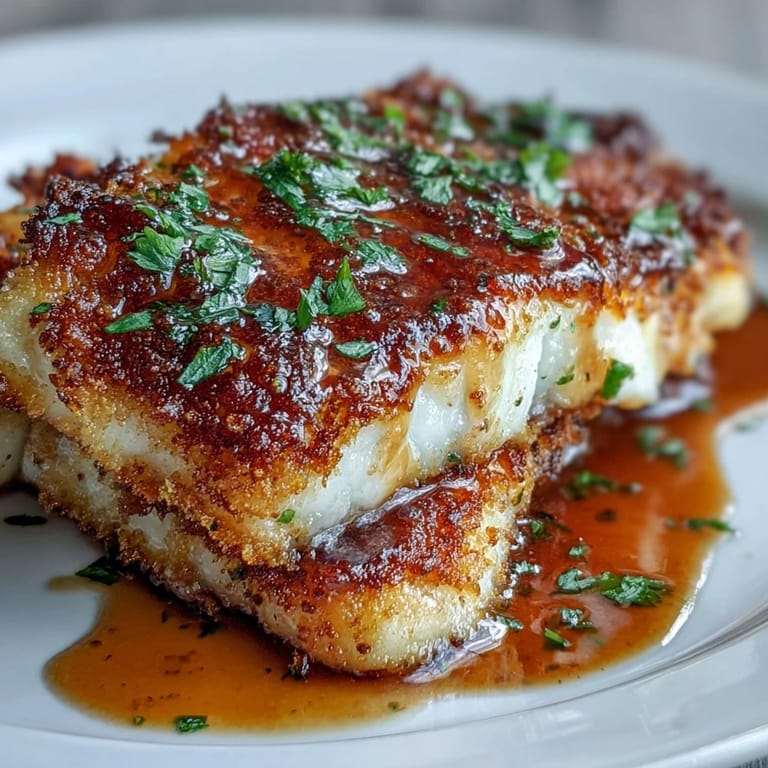
- Once the butter foams, lay the fillets gently in the pan without crowding—work in batches if you need to. You'll hear a satisfying sizzle; that's your signal the crust is forming. Cook 2 to 3 minutes per side, watching the edges turn opaque, then flip carefully with a spatula. They're done when the flesh is just cooked through and the outside is golden.
- Make the magic sauce:
- Transfer the cooked fish to a warm platter, then wipe out the skillet. Add the remaining 4 tablespoons butter over medium heat and watch it closely—this is where patience pays off. After 2 to 3 minutes, it'll shift from pale yellow to amber and smell deeply nutty and toasted; that's exactly when you want to stop.
- Finish with lemon and herbs:
- Pull the pan off the heat immediately and stir in the lemon juice and fresh parsley. The sauce will bubble and smell bright and alive—this is the moment everything comes together. Spoon the sauce over the plated fish right away while it's still warm.
- Serve immediately:
- Plate quickly with lemon wedges alongside. This dish doesn't wait well, so get it to the table while the fish is still warm and the sauce is still glossy.
 Save
Save There's something about the smell of butter turning brown that makes you feel like you're doing something right in the kitchen. It's the kind of moment where you remember why cooking matters—not because of Instagram or restaurant reviews, but because you made something that tastes like care.
Choosing Your Fish
Flounder is my first choice because it's mild and delicate, but if your fishmonger is out or you want to experiment, Dover sole is the traditional substitute and handles the same way. Tilapia works too, though it's slightly firmer and needs the same cooking time. The rule is simple: pick something thin and white-fleshed that cooks through quickly without becoming rubbery.
The Browned Butter Moment
That nutty brown butter is what separates this from just fried fish—it's the whole point. Some cooks add a splash of white wine to the butter before it browns, letting it reduce for thirty seconds before the lemon juice goes in, and honestly, this makes the sauce richer and more complex. If you go this route, make sure your butter is truly browned before you add the wine, or you'll lose that toasted flavor.
Building Your Plate
This dish needs something green and something starchy alongside it to feel complete. Steamed green beans work because they're elegant and let the fish be the star, or roasted potatoes if you want something warmer and more substantial. The lemon wedges are there for people to squeeze fresh juice over everything if they want to brighten it up at the table.
- Have your platter warm before the fish finishes cooking—cold plates steal the warmth from this delicate dish.
- If you're cooking for guests, get the fish and sauce on the table within two minutes of plating, or the magic starts to fade.
- Don't oversalt the fish at the beginning if you're using salted butter in the sauce—taste as you go.
 Save
Save This recipe taught me that sometimes the most impressive dishes are the ones that trust their ingredients instead of hiding behind complicated techniques. Keep it in your back pocket for nights when you want to feel like you're cooking something special.
Recipe FAQ
- → What does meunière mean?
Meunière is French for "miller's wife," referring to the traditional cooking method of dusting fish with flour before pan-frying. The technique creates a light, crispy coating while the interior stays tender and moist.
- → Can I use other types of fish?
Absolutely. Dover sole, tilapia, cod, or any mild white fish fillet works beautifully with this preparation. Choose fish that's similar in thickness to ensure even cooking timing.
- → How do I know when the butter is properly browned?
Watch for the butter to turn a golden-amber color and release a nutty aroma. This typically takes 2-3 minutes over medium heat. Be careful not to burn it—brown butter can quickly become burnt butter.
- → What sides pair well with this dish?
Steamed green beans, roasted potatoes, or simple white rice complement the rich butter sauce beautifully. A crisp green salad with vinaigrette helps balance the richness.
- → Can I make this gluten-free?
Yes. Substitute rice flour or a gluten-free all-purpose blend for the wheat flour when dredging. The coating texture will be slightly different but equally delicious.
- → How do I prevent the fish from sticking to the pan?
Ensure your skillet is properly heated before adding the oil and butter. The butter should be foamy before the fish goes in. Don't move the fillets during the first 2 minutes of cooking—this allows a crust to form.